


Filters
Sort Best selling








Similar products
// Buying guide
Which Pump Do You Need?
Every pump does one of two jobs. It either pushes a fixed volume of fluid with each turn, or it spins fluid to build flow. That one difference shapes almost every buying decision.
- Positive displacement pumps, such as gear, vane and piston pumps, deliver steady flow against high pressure. They suit hydraulic circuits, dosing, and thick fluids.
- Centrifugal pumps move large volumes of thin fluid, like water, at lower pressure. Their flow drops as system resistance rises.
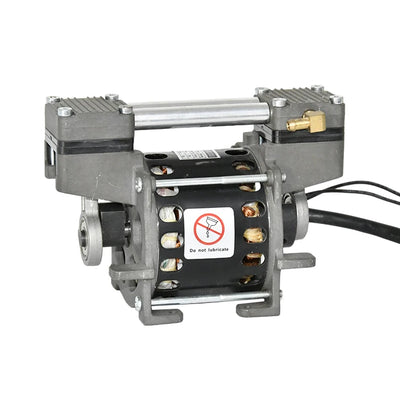
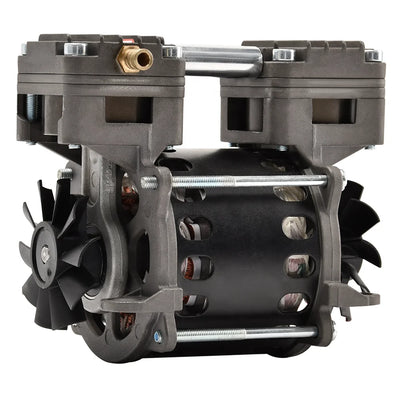
- Vacuum pumps remove air or gas to create negative pressure for packaging, drying, degassing and conveying.
Five Details to Have Ready Before You Buy
- Fluid: type, viscosity, temperature, and any solids.
- Flow: litres per minute, or displacement in cc/rev for hydraulic pumps.
- Pressure: normal working pressure and peak pressure in bar.
- Drive: motor speed, engine PTO or gearbox, plus rotation direction.
- Fit: mounting flange, shaft type, port sizes, and the part number on the old pump.
With these five details, our team can usually confirm a match on the first call. Designing a new system instead? Our pump selection and sizing service checks the duty point before you spend a cent.
Hydraulic Pumps
Hydraulic pumps turn mechanical power into hydraulic flow for presses, mobile machines, injection moulders and power units. You choose them by pressure, noise level and whether you need fixed or variable flow.
Piston Pumps
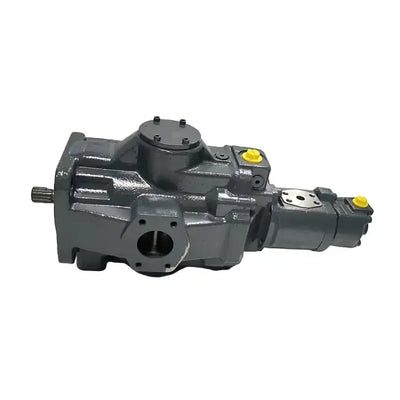
Piston pumps handle the highest pressures in the range, often 350 bar and above. Many offer variable displacement, so they only make the flow your circuit asks for and waste less energy. Axial piston pumps, in swash plate and bent axis designs, suit mobile and industrial circuits. Radial piston pumps go higher still for presses and test rigs.
Gear Pumps
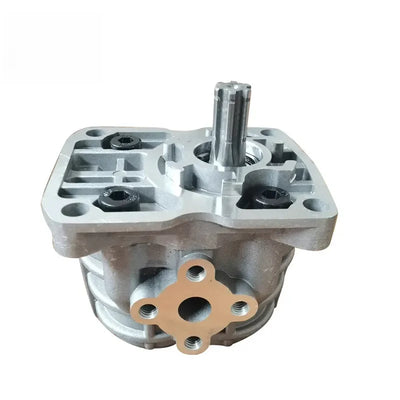
Gear pumps are simple, compact and good value. External gear pumps cover most mobile and general duties. Internal gear pumps run quieter on power units, and gerotor pumps suit lubrication and circulation.
Vane Pumps
Vane pumps run smoothly and quietly at medium pressure. That makes them a favourite on machine tools and plastics machinery. Pick fixed, variable or balanced designs based on how much flow control you need.
Servo Hydraulic
A servo hydraulic unit pairs a pump with a servo motor that speeds up and slows down with demand. When the machine idles, the pump slows too. The result is less energy, less heat and a quieter shop floor on injection moulding machines and presses.
Specialty Hydraulic Pumps
Specialty hydraulic pumps cover the jobs that standard ranges miss. Think tandem pumps, compact units for tight spaces and models built for unusual fluids or duty cycles.
Process and Transfer Pumps
Process and transfer pumps move liquids around a plant, from clean water to slurry, syrup, and chemicals. They fall into two groups.
- Centrifugal designs: centrifugal pumps, end suction, vertical inline, split case, self-priming and multistage pumps. Use them for water supply, HVAC, and high-flow transfer.
- Positive displacement designs: diaphragm, peristaltic, progressive cavity, screw and lobe pumps. Use them for thick, abrasive, or shear-sensitive fluids and accurate dosing.
Pumping a thick or delicate product? A centrifugal pump will struggle and lose flow. A lobe or progressive cavity pump keeps the flow steady and treats the product gently.
Vacuum and Specialty Pumps
Vacuum pumps pull air and vapour out of a process. The right type depends on how deep a vacuum you need and how wet or dirty the gas is.
- Rotary vane vacuum pumps: oil-sealed and able to reach deep vacuum for packaging and lab work.
- Liquid ring vacuum pumps: tough units that handle wet gas and vapour in process plants.
- Dry screw vacuum pumps: oil-free running for chemical and food processes.
- Claw vacuum pumps: dry and efficient for conveying and packaging lines.
This range also holds high pressure pumps rated from 250 to 420 bar, low-noise pumps for indoor sites and pressure-compensated pumps that hold a set pressure. If nothing standard fits, our custom pump solutions team will quote a pump built around your duty.
Genuine OEM or Replacement Pump?
Both can be the right call. It depends on your machine, your budget and how long you can wait.
- Go genuine OEM when the machine is under warranty, a spec demands it or you need an exact factory match.
- Go with an equivalent replacement when the original is obsolete, on a long lead time or over budget. A good equivalent matches the mounting, shaft, ports, displacement and pressure rating, so it bolts straight in.
We always tell you upfront whether a pump is genuine or an equivalent. Part number worn off? Send photos of the nameplate, flange and shaft, and our engineers will cross-reference it for you.
Five Signs Your Pump Needs Replacing
- Rising noise or a high-pitched whine, often from cavitation or worn gears.
- Slow cylinders or lost pressure under load, which points to internal leakage.
- Hot oil, or a motor drawing more current than usual.
- Oil leaking at the shaft seal.
- Metal particles showing up in your filters.
Spot these early and you can order a replacement before the machine stops. Clean oil also adds years to pump life, so check your filters and filter elements whenever you fit a new pump.
Pumps for Every Industry
Our pumps work in mining and heavy industry, water and wastewater plants, food processing, marine sites and manufacturing lines, including presses and forming. A pump rarely works alone, so we also supply the valves, motors and drives and complete hydraulic power units that go with it through our systems range.
Why Buy Pumps From TSA Hydraulics Engineering
As a Sydney pumps supplier, we keep the buying process simple for busy maintenance teams.
- One supplier for hydraulic, process and vacuum pumps.
- Engineers who match pumps by part number, not by guesswork.
- Genuine and replacement options to suit your budget and deadline.
- Clear pump specifications and replacement parts advice before you order.